
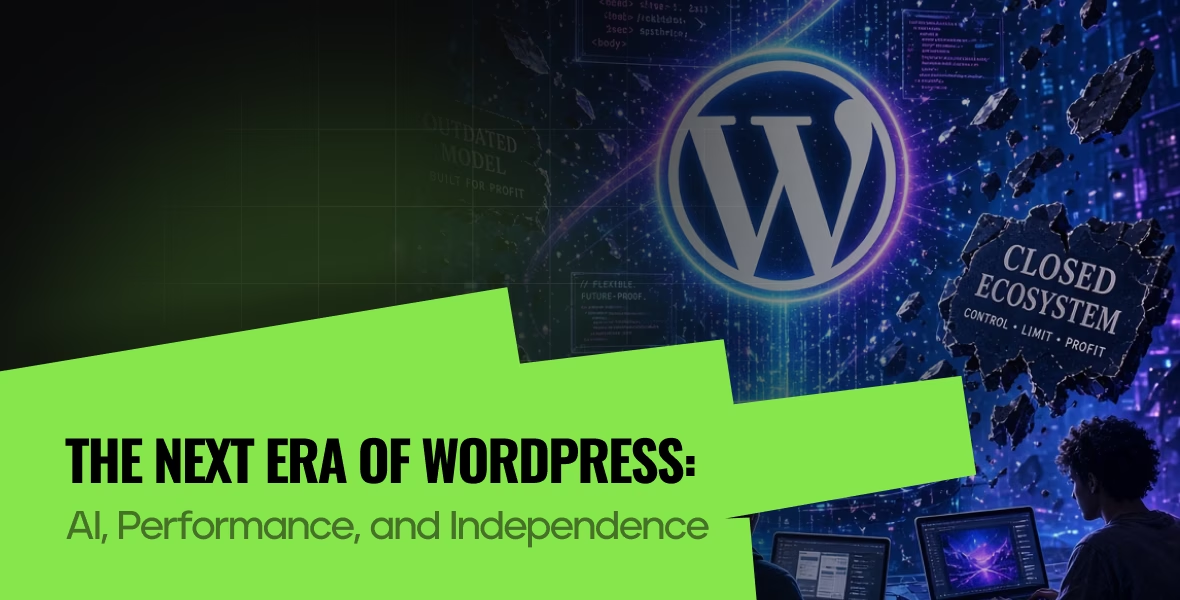
WordPress is not dying. It is transforming.
For years, the platform was dominated by heavy multipurpose themes, endless feature lists, and a marketplace mindset that rewarded quantity over quality. That era is ending.
As WordPress co-founder Matt Mullenweg famously put it:
“The future of WordPress is in the hands of the people who use it.”
The opportunity is no longer simply to build more themes. It is to build better products that solve real problems.
Performance Is No Longer Optional
Users expect fast websites. Search engines prioritize page experience, and bloated code creates unnecessary friction.
Google’s performance guidance puts it simply:
“Make your web pages fast on all devices.”
The themes and plugins that thrive will be the ones that load quickly, stay lean, and respect the user’s time. Performance is no longer just a technical advantage. It is part of the product itself.
AI Must Do More Than Look Impressive
AI is no longer a buzzword. But adding an AI chatbot to a theme does not automatically make it innovative.
Real integration means smart content suggestions, automated layout adjustments, intelligent accessibility assistance, and tools that genuinely reduce the work of building and maintaining websites.
As the saying often attributed to Peter Drucker goes:
“There is nothing so useless as doing efficiently that which should not be done at all.”
The principle applies perfectly to AI in WordPress: automate meaningful work, not features that exist merely to look impressive.
Niche Is Beating Generic
The age of “one theme for everything” is fading.
Customers do not necessarily need hundreds of demos, dozens of bundled plugins, or another overloaded multipurpose theme. They need products that solve their specific problems exceptionally well.
A lightweight theme built for one industry can deliver more value than a bloated multipurpose product trying to serve everyone.
The opportunity lies in specialization, usability, and a better experience from installation to launch.
Ownership Is the Real Competitive Advantage
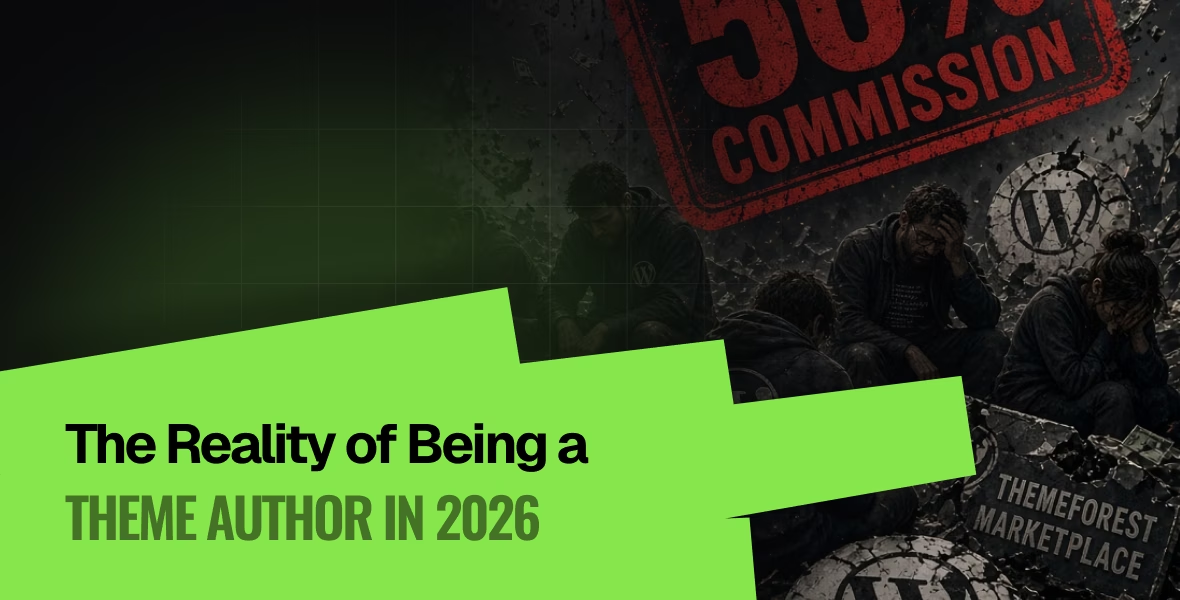
For years, many WordPress authors treated marketplaces as their entire business. They uploaded products, competed for visibility, and accepted the platform’s rules.
But distribution is not ownership.
Creators who build direct relationships with their customers, collect feedback, develop recognizable brands, and control their own distribution have greater freedom to evolve their products and businesses.
As Naval Ravikant put it:
“Escape competition through authenticity.”
For independent WordPress creators, that means building something distinctive instead of competing endlessly on price, demo count, and marketplace rankings.
The Next Chapter of WordPress
WordPress remains one of the most flexible foundations for the open web. But the way people build on it is changing.
The focus is shifting from “How many demos can we ship?” to “How much real value can we deliver — and keep delivering?”
The next five years will reward creators who treat their work like serious products: fast, focused, intelligent, and independent.
Theme marketplaces can still play a role. They can provide discovery, visibility, and an entry point for new customers. But they do not have to define the entire business.
The strongest creators will combine great products with direct customer relationships, recurring value, and distribution they control.
The question is no longer whether WordPress has a future.
The question is whether you are building for the WordPress that is coming — or the one that is already leaving.


Comments
No comments yet — start the conversation.